16 February 2026
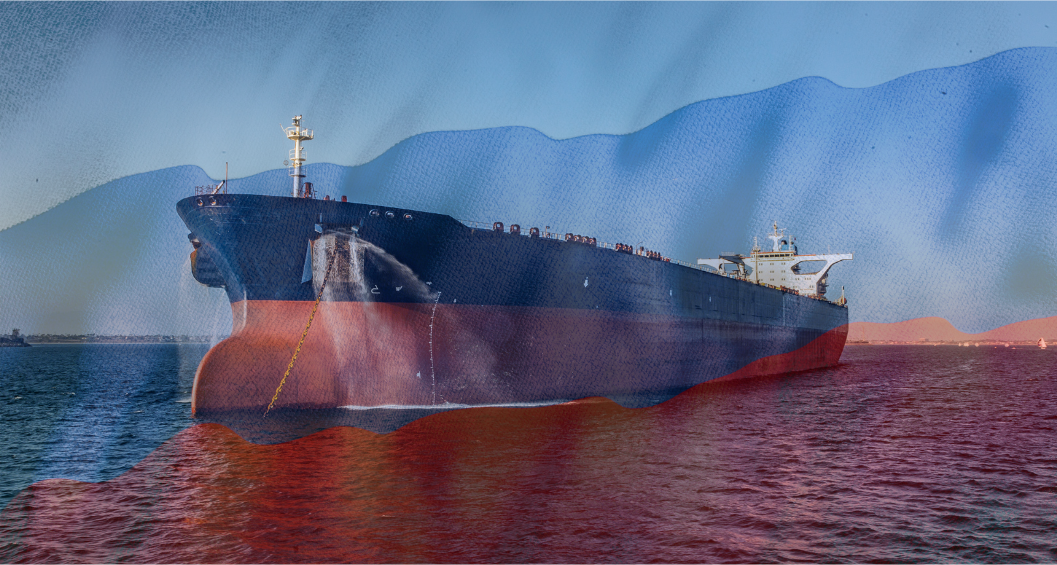
Cuba’s official media has reported that Russia is evaluating various energy support options for the island following the deteriorating humanitarian situation caused by a lack of fuel.
Granma suggested on 13 February that Russia has been in contact and has been discussing options. It indicated that the Kremlin “is holding talks with Cuba to finalise shipments of oil and petroleum products to the island.” In doing so, the official publication quoted a report in Izvestia, noting that “the Russian Embassy in Cuba announced that a shipment of oil and petroleum products is being prepared as humanitarian aid, which seeks to alleviate the energy crisis” facing the island.
By contrast reporting by the official Russian news agency TASS was more restrained, simply quoting the Russian presidential spokesman, Dmitry Peskov, as saying that Russia is discussing with Cuba its options for providing the island with support, but is unable “at this time” to discuss the details publicly.
Responding to a media question about possible oil shipments to Cuba, Peskov did not deny the possibility, but said “I can only reiterate what we’ve been saying at various levels all these days: we’re in contact with our Cuban friends and we’re discussing options for providing them with assistance.” When asked about the imposition or increase of tariffs by the United States on countries shipping oil to Cuba, Peskov noted that Russia would not like any escalation in the form of tariffs by the US, but “would still count on constructive dialogue and the resolution of existing problems through dialogue.” Days earlier, Peskov had told the Russian media that energy cooperation with Havana formed a “part of a historical relationship of solidarity.”
The reports suggesting Russia may be considering shipping oil on some humanitarian basis follow widespread coverage in Russia’s State media quoting a story in The Economist. The suggested that the US is preparing to provide a small shipment to Cuba of “cooking gas or diesel fuel to ensure the functioning of the water infrastructure.” Citing unnamed sources, the magazine suggested that a concession of this kind could help prevent a humanitarian crisis in Cuba and increase US Secretary of State, Marco Rubio’s, influence with Cuba and within the US Administration.
Peskov comments came after President Putin and China’s President Xi Jinping jointly expressed their intention of maintaining co-operation with Cuba and Venezuela despite US pressure on the two Caribbean nations. In a media readout of a wide-ranging bilateral video exchange that took place between the two Presidents on 4 February, the Russian presidential advisor, Yuri Ushakov, said that the two leaders “shared their perspectives on the situation surrounding Venezuela and Cuba,” and “expressed their support for maintaining the level of cooperation with Caracas and Havana” previously achieved.
Two days earlier, Russia’s Foreign Minister, Sergey Lavrov, told Cuba’s Foreign Minister, Bruno Rodríguez, during a telephone conversation that Russia had a “firm commitment to continue providing Cuba with the necessary political and material support.” Cuban and Russian reporting also noted Lavrov’s reaffirmation of “its principled position regarding the unacceptability of economic and military pressure on Cuba.”
Lavrov also described Cuba as “Russia’s strategic partner in Latin America and the Caribbean, our strong supporter and ally on the international stage.” His comments were reflected in remarks made to the Russian publication Izvestia by Russia’s Ambassador to Havana, Viktor Koronelli, who noted that Russia had a continuing interest in supplying oil to Cuba.
16 February 2026, Issue 1310
The Caribbean Council is able to provide further detail about all the stories in Cuba Briefing. If you would like a more detailed insight into any of the content of today’s issue, please get in touch